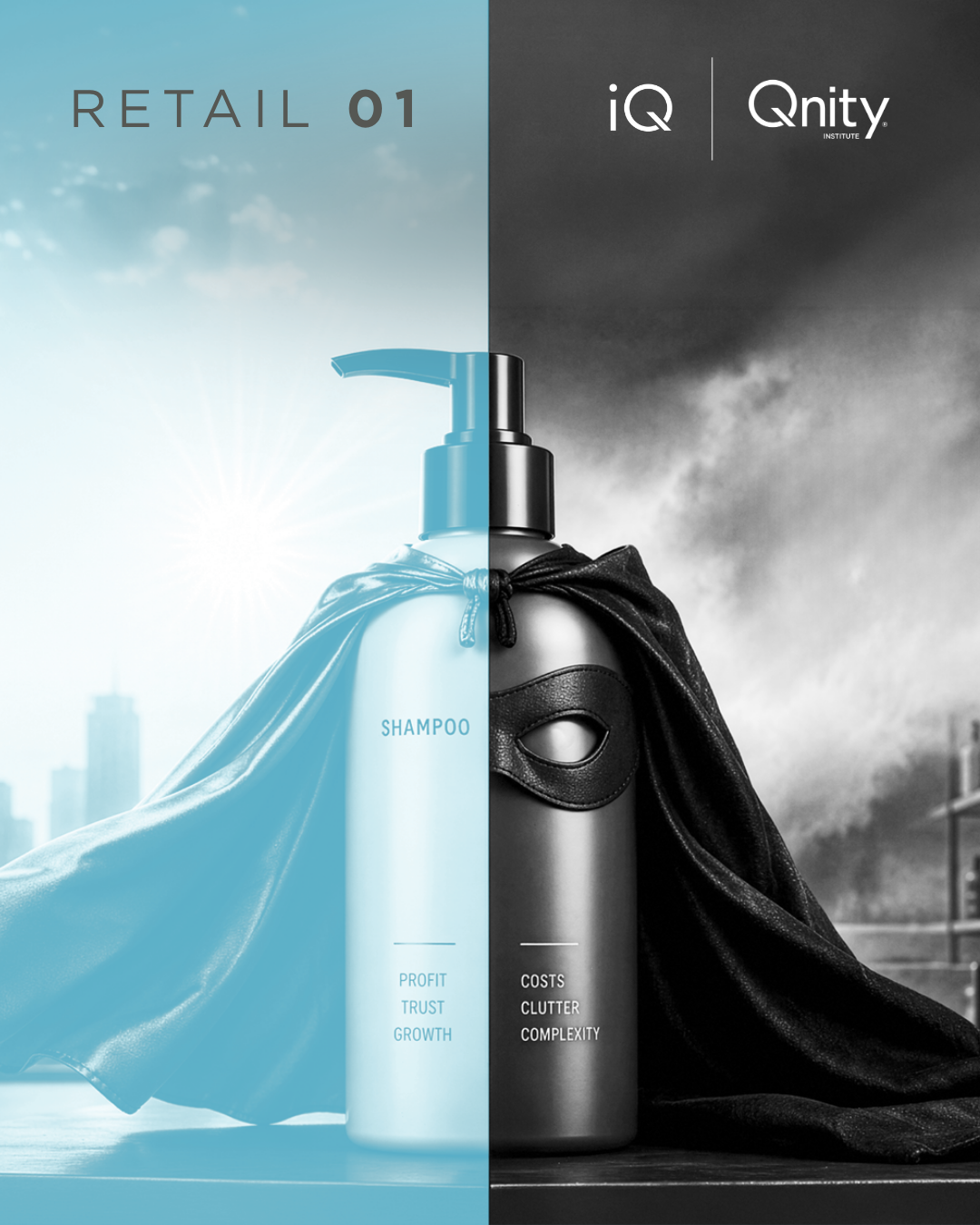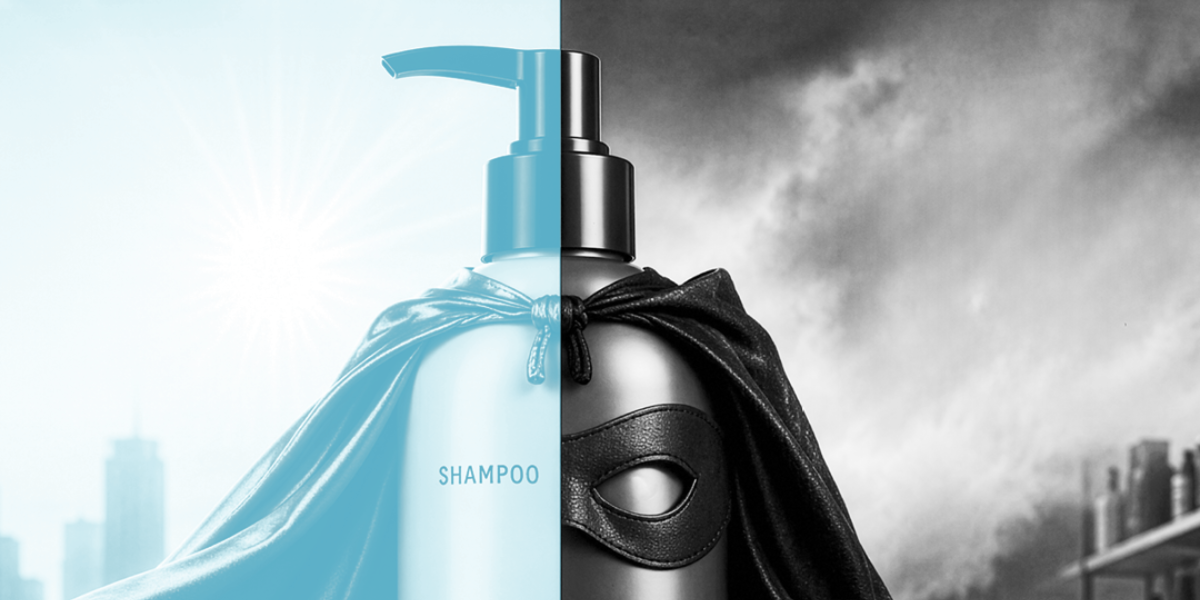
Retail: Hero or Villain?
Blog > Retail: Hero or Villain?
Few topics divide the beauty industry more than retail.
Ask a room full of salon and spa owners what they think about retail and you’ll hear very different answers.
For some, retail is an essential part of the salon business model. It increases revenue without requiring another appointment on the books. It extends the client experience beyond the salon. It gives professionals another way to use their expertise.
For others, retail has become increasingly difficult to defend.
It ties up cash. It requires inventory, shelving and storage. It adds ordering, receiving, counting and managing to an already complex business. And today, the recommendation made by a beauty professional in the spa or salon can become a purchase from Amazon, Sephora, Ulta, TikTok Shop, or the brand itself before the client reaches the parking lot.
Depending on who you ask, retail is either the hero of the beauty business or one of its biggest liabilities. That's exactly the tension explored in Issue 01 of iQ, a data magazine for beauty professionals.

How did retail get so complicated?
There was a time when salons and spas had a fairly unique advantage.
The professional had the expertise. The business had the product. The client needed both.
That relationship has changed. Consumers have more access to professional and prestige beauty products than ever before. Recommendations come from professionals, creators, algorithms, friends, and thousands of online reviews. Buying can happen anywhere, anytime.
Meanwhile, business owners are looking more closely at every dollar and every square foot.
That creates a reasonable question:
Is retail still earning its place in the modern beauty business?
There are two compelling arguments.
The case for retail starts with the client.
They are already buying beauty products. Salon professionals have something most retailers would love to have: trust, expertise and significant one-on-one time with the consumer. Why give that sale away?
The case against retail starts with the business.
Inventory requires cash before it produces revenue. Product takes up valuable space. Retail creates operational complexity. Consumer buying behavior has fundamentally changed. Why keep operating a retail model simply because the industry always has?

Both arguments make sense.
Which is why we didn't want to settle the debate with another opinion, we went to the data.
What we found challenged
some of the industry's assumptions on both sides.
Before we reveal it, we're going to let both sides make their case.
Next: The Case for Retail.
Want the answer now?
The complete Retail: Hero or Villain? feature is inside Issue 01 of iQ, for the Intelligent Beauty Professional.